


.png)

Google Labs unveiled GenTabs on December 11, introducing a Gemini 3-powered browser feature that automatically generates functional web applications from user browsing patterns.
The experimental tool launches exclusively through Disco, Google's new testing environment now accepting waitlist sign-ups for macOS users.
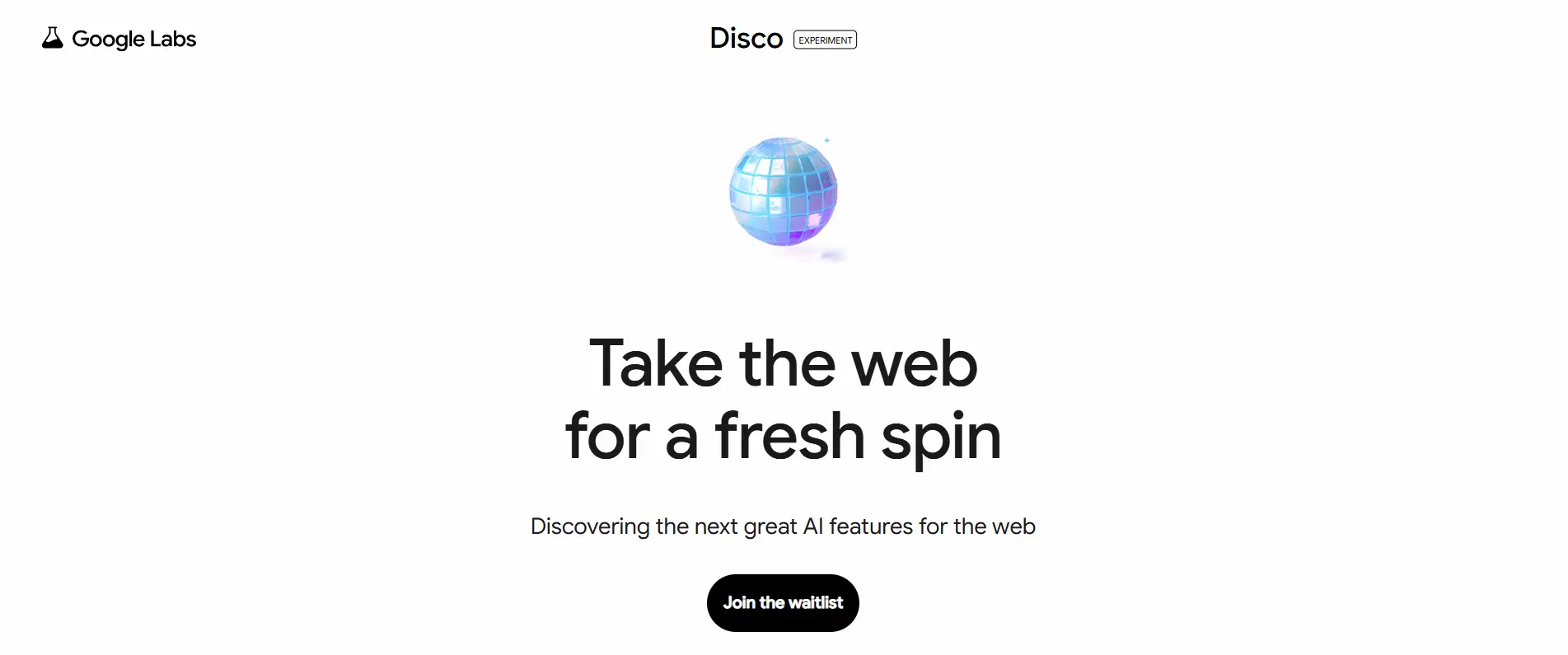
Join the waitlist: https://labs.google/disco
GenTabs marks Google's strategic move into the agentic browser market, positioning the tech giant against emerging competitors in AI-driven workflow automation.
The feature monitors open tabs and conversation history to build custom tools without coding requirements, directly challenging established solutions in a market where 76% of businesses are actively evaluating AI browser technologies.
How GenTabs Differentiates Itself
Unlike command-driven competitors such as ChatGPT Atlas, or Perplexity Comet, GenTabs employs predictive intelligence that suggests applications before users recognize the need.
Early adopters are deploying it for meal planning workflows, travel itinerary development, and educational content assembly, with each generated component maintaining traceable citations to source material.
The platform's contextual awareness distinguishes it from reactive automation tools; it interprets complex tasks through behavioral analysis rather than explicit instructions.
However, this predictive capability enters a saturated marketplace where competitors offer semantic targeting that persists through site redesigns and other advanced features that may overshadow GenTabs' core proposition.
Critical Considerations for Adoption
Google's controlled rollout through waitlist access indicates cautious positioning. The company acknowledges functionality gaps upfront, stating "not everything will work perfectly" while collecting feedback from limited cohorts before broader deployment. This contrasts sharply with competitors offering immediate access to mature feature sets.
Privacy concerns around browsing surveillance represent the elephant in the room. As users grow increasingly skeptical about AI systems monitoring their digital behavior, GenTabs must prove its contextual intelligence delivers tangible value that justifies the data exchange.
Early user reception will determine whether this experiment graduates to Chrome integration or joins Google's extensive archive of discontinued projects, a distinction that separates transformative tools from expensive learning exercises.


.png)

.svg)


.png)

.png)


