.png)

With around 50% of people using AI search today, optimizing for traditional search engines (SEO) and AI search engines (AEO) is now equally important. Several new AI-oriented strategies have emerged since the shift, including GEO, LLMO, and AI SEO.
While all of these strategies aim to increase organic visibility, their focus, tactics, and metrics differ. Understanding how they work together and where they diverge is essential for building an effective growth strategy.
This guide clarifies the GEO vs. AEO vs. SEO conundrum and explains other terms relevant in search today.
SEO vs. GEO/AEO/LLMO: Key takeaways
Here’s how the main disciplines compare at a glance:
GEO vs. AEO vs. SEO: What’s the difference?
SEO, AEO, and GEO are key practices for boosting online presence today, but they target different search engines and journeys:
- Search engine optimization (SEO) helps your content rank on traditional search engines, such as Google and Yahoo, and drive traffic to your website.
- Answer engine optimization (AEO) helps your content become the answer to relevant customer queries in AI search engines like Gemini and ChatGPT.
- Generative engine optimization (GEO) helps your content get cited in generative AI search results that cite multiple sources, such as Google’s AI Overviews or Perplexity.
SEO vs. GEO and AEO: How they work
Users interact with traditional search engines by entering a query and browsing the results pages (SERPs). Algorithms select and rank content for specific queries based on its credibility and relevance. Google, for example, uses the E-E-A-T (Experience, Expertise, Authoritativeness, and Trustworthiness) framework to assess content quality.
The search process has evolved, as SERPs now include sections like AI overviews and sponsored results. These additions push traditional organic listings further down the page and reduce click-through rates to individual websites.
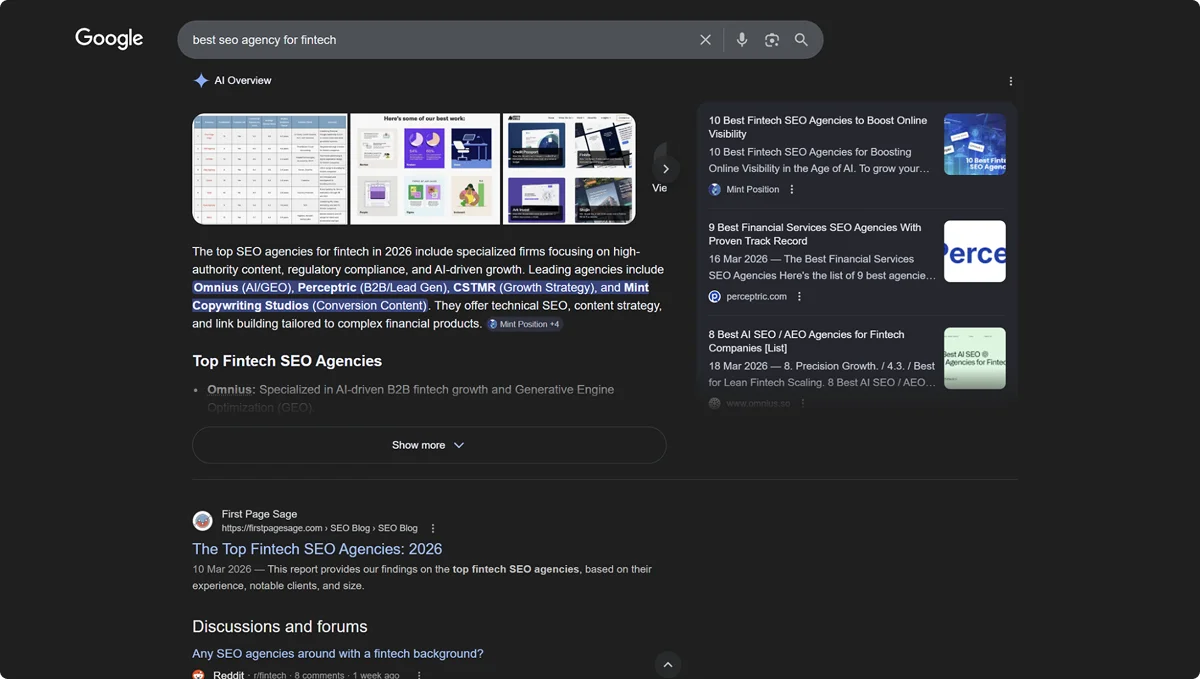
With AI search, users typically enter longer queries, ranging from long-tail keywords to highly specific questions, and receive detailed, personalized answers. They also often ask follow-up questions and browse citations, which lead to the sources of AI’s claims.
Unlike traditional LLMs, AI search engines can browse the internet if their training data doesn’t contain answers, using retrieval-augmented generation (RAG) to find sources. They then rank sources by authority, freshness, and relevance, select the information, and generate an answer.
Complex questions will trigger query fan-out, the process of breaking down queries into multiple subqueries, which helps ensure a unique and comprehensive response.
What is LLMO?
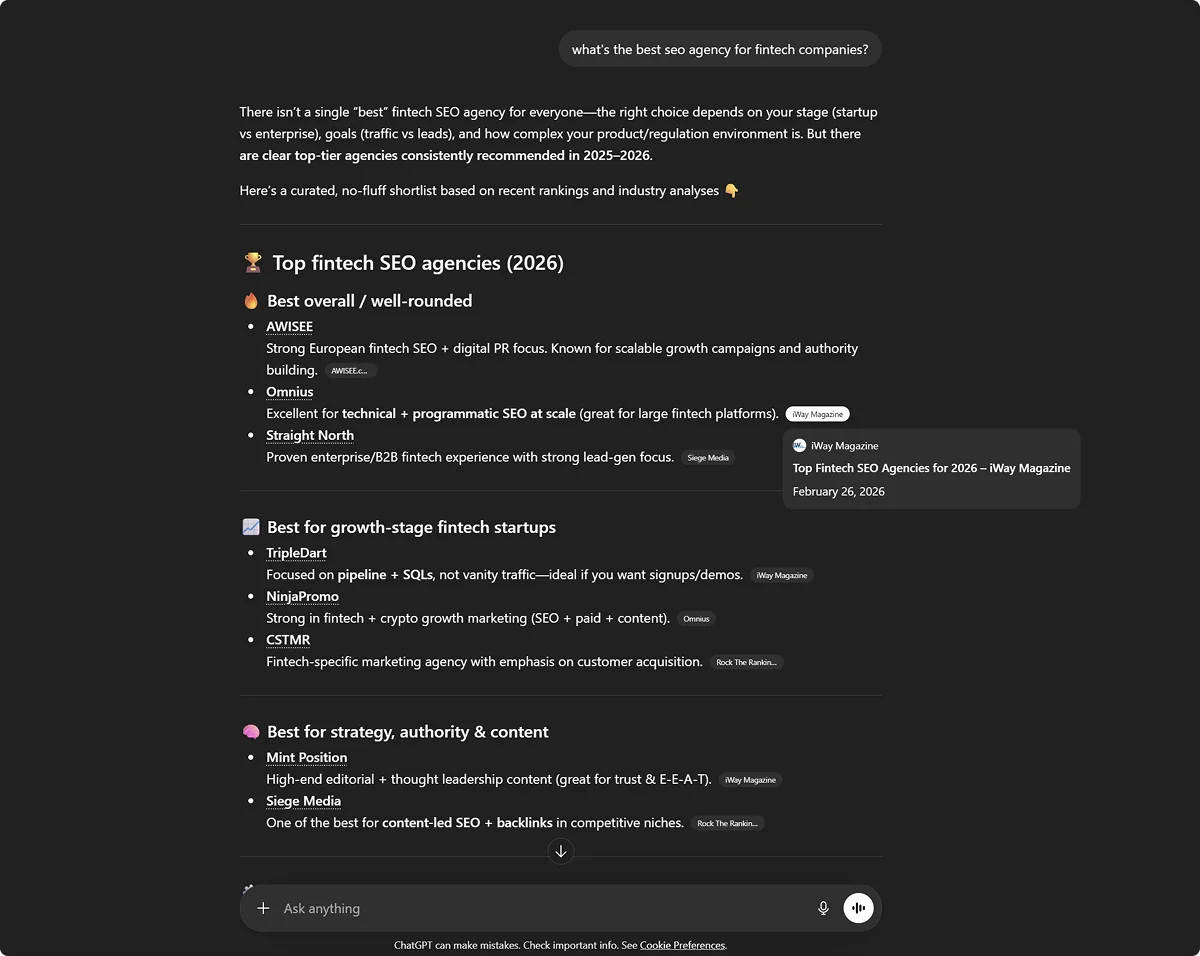
Large language model optimization (LLMO) is the broad strategy that shapes how LLMs understand and represent your brand based on their training data, prior to web retrieval. The goal is to help the LLMs associate your brand with the right category, use case, or reputation, and have it recommend you in its responses.
What is AI SEO?
AI SEO is the use of artificial intelligence in SEO activities like keyword research, link building, and data analysis. AI can reduce the time and effort required for these tasks or take over simple and repetitive tasks altogether.
According to Statista, sales and marketing teams stand to gain the most from AI, with 74% of survey respondents claiming significant revenue gains after adopting AI in these departments.
Note that some sources also use the term AI SEO to refer to the overall process of optimizing your content for AI search, which encompasses AEO, GEO, and LLMO.
Is SEO being phased out by AI?
No, SEO is not going anywhere. AI search engines use traditional search to source information and generate responses. Traditional SERP rankings affect visibility in AI search results.
This is confirmed by Search Engine Journal’s recent study, which analyzed 11 sites affected by Google’s January 2026 update. Sites that saw drops in organic traffic also saw lower AI search citations, with an average decline of ~22% across all AI models.
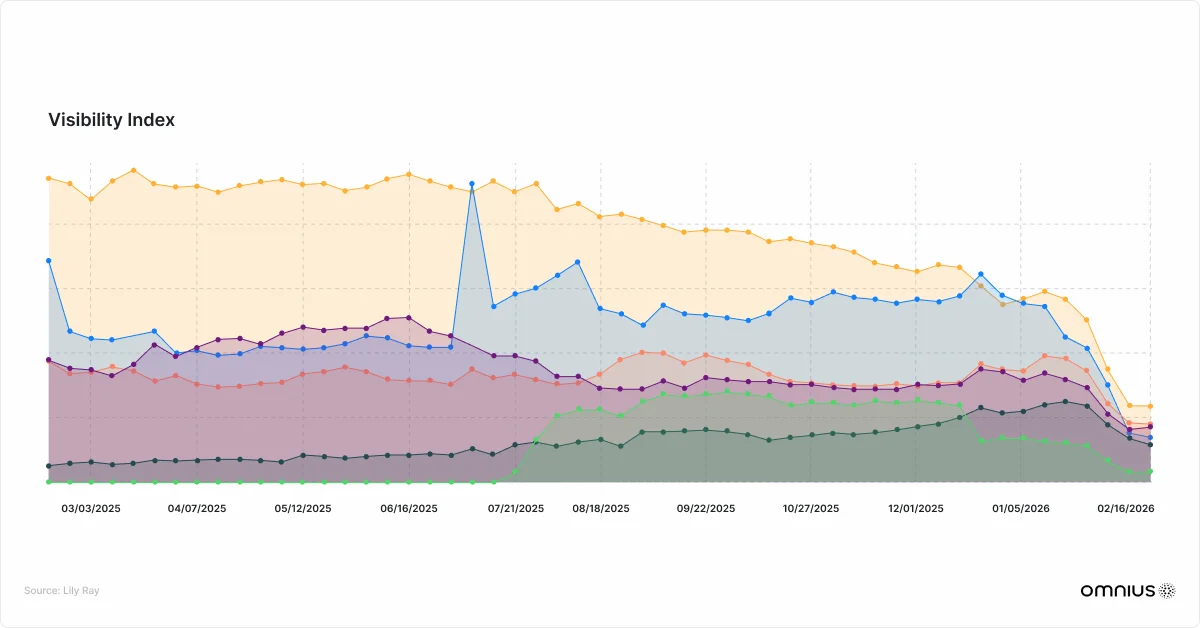
The effect works the other way around as well. According to McKinsey, brands that don’t optimize for AI search risk losing 20% to 50% of their traditional search traffic.
Additionally, while AI search is increasingly prevalent, consumers still use traditional search in some sectors and at certain points of the buyer journey. For example, McKinsey found that this method is still more common when researching financial services, beauty and skincare, and apparel.
As of 2026, investing in both traditional and AI search visibility is necessary. The two approaches work together to surface your brand to the right people.
How to succeed across all engines
Many of the strategies you already use for SEO help your AI search visibility, and vice versa:
- Technical health: A fast and functioning website is a must across all engines. AI and web crawlers both need easy access to your content. Serve essential content in HTML, implement server-side rendering if you use a JavaScript framework, and create robots.txt and llms.txt to enable and guide the crawling.
- Schema markup: Add tags to your website’s HTML code to structure its data and help search engines understand it. With schema markup, traditional search engines are more likely to display rich snippets, while AI systems can parse and extract data more easily. Google’s Rich Results Test enables auditing for both types of engines.
- Authoritative backlinks: When a high-authority publication links to your website, this signals to ranking systems that your content is valuable and increases your visibility. Create content that naturally attracts citations and run digital PR campaigns to earn coverage. And remember: link quality trumps quantity.
- High-quality content: Create skimmable and readable content that offers “information gain”, such as unique data, research, and perspectives. In one Princeton study, content that cited sources and included quotations and statistics received AI citation rates 30–40% higher than other content.
- Regular content updates: Both search engine types favor new information and devalue outdated content. Review high-performing pages quarterly, refresh statistics and examples, and add "Last updated" timestamps to signal recency.
- Strong brand identity: Ensure your brand descriptions are accurate and consistent across your website and other sources, such as Crunchbase and LinkedIn. This feeds into E-E-A-T signals for SEO, increases citation eligibility for AEO and GEO, and informs training data for LLMs.
How to cater to specific engines
Besides the foundational tactics that work across all disciplines, it’s important to follow guidelines specific to each engine type.
SEO
Keywords are still the bread and butter of SEO. Including them in your title tags, meta descriptions, and headers helps your content appear for relevant search terms. Additionally, a comprehensive internal linking system helps the discoverability of your pages, including deeper and less popular ones.
Still, none of this matters if your site is technically broken. Page speed and visual stability directly affect rankings because Google uses Core Web Vitals as quality signals. Google Search Console can help you monitor both technical and overall SEO performance and detect crawling and indexing issues.
However, Google is not the only search engine you should optimize for. In its 2025 study, Seer Interactive found that 87% of ChatGPT’s search citations match Bing’s top results. Use Bing Webmaster Tools to improve your visibility across both engines.
AEO and GEO
AI scans your content for answers it can use in responses, and you can help it with extraction by:
- Using conversation-style questions as headings
- Providing direct, concise answers immediately after
- Implementing FAQ and Q&A sections
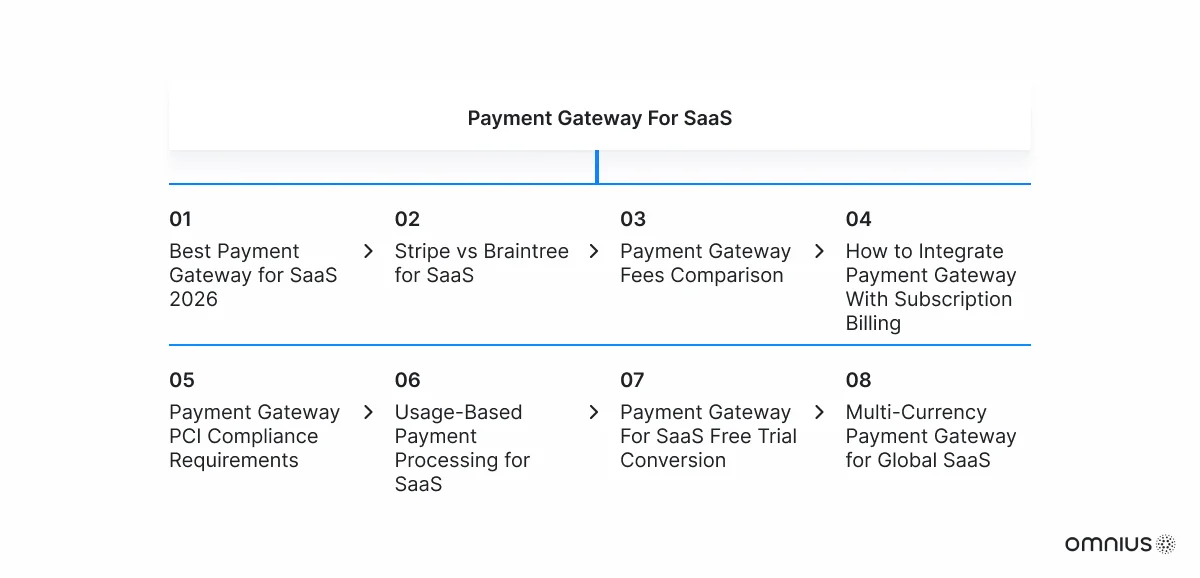
Content depth matters especially for GEO because of query fan-out. Generative AI engines prioritize sources that answer several sub-queries at once.
Cover each topic in-depth and build topic clusters that include a pillar page for a broad topic and 8–12 specific subtopic pages.
LLMO
LLMO focuses on training data, so long-term brand reputation is its primary lever. Publish original, expert content within core clusters to earn mentions from high-authority platforms referenced in datasets, including:
- Industry publications, such as TechCrunch and The FinTech Times
- News sites, such as Reuters and Business Insider
- Review sites, such as G2 and Capterra
- Forums, such as Reddit and Quora
When your brand consistently appears alongside a specific topic across multiple sources, LLMs learn to associate you with that domain and are more likely to recommend you unprompted.
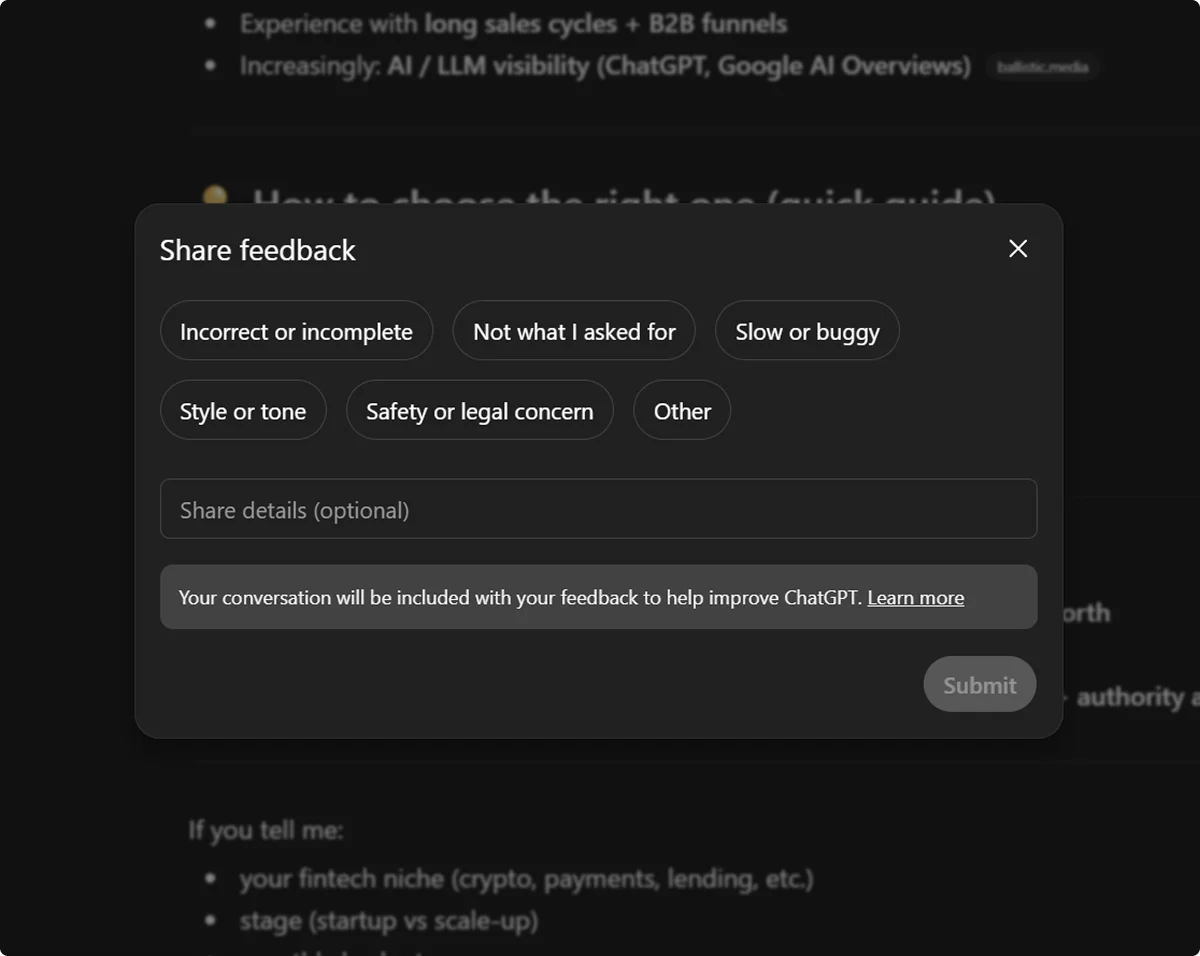
Whenever you catch an LLM providing inaccurate information about your brand, use the feedback option within the app to help the model improve over time.
How to measure success
In SEO, various tools exist to help you track performance. Google Search Console gives you rankings, impressions, and click-through rates for every indexed page, while GA4 tracks organic sessions, conversions, and user behavior. Additionally, third-party tools like Ahrefs and Semrush layer on backlink profiles, domain authority, and competitor analysis.
The data is deterministic. Search the same query twice, and you'll see the same results.
AI search is non-deterministic, so the same prompt can lead to different responses, citations, and brand framing. This makes monitoring visibility significantly harder than in traditional search.
One way to track success is to analyze traffic and conversions from AI platforms. Use tools like GA4 and GTM to identify:
- Which AI platforms drive sessions
- Which pages receive AI-referred traffic
- How AI-referred visitors engage with your brand
- Whether these visitors convert
- How this behavior compares to that of organic traffic
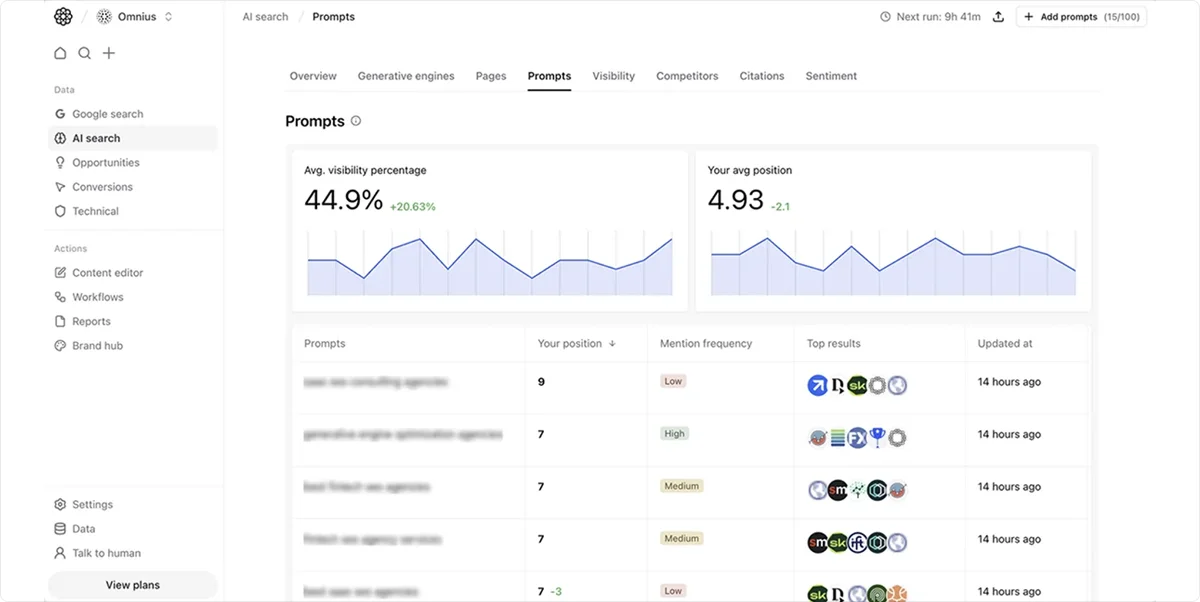
Another method is synthetic model output sampling, which entails running queries across AI platforms to gauge how your brand is represented. These queries should mimic real buyer prompts (e.g., “best SEO agency” or “[agency name] alternatives”). Considering the variability of AI search results, you should have multiple runs for each query.
This tactic allows you to understand:
- How LLMs refer to your brand
- Whether the information they use is accurate
- Which pages they cite
- How they position you against competitors
- Where you dominate vs. fall short
- What the overall sentiment of your brand is
Doing this manually works for a first audit, but it’s time-consuming and stops scaling as your monitoring needs grow. Instead, you can use Atomic AGI to automate both sides of this process and track real visitor behavior from AI referrers alongside model outputs across engines.
Final words
SEO, AEO, GEO, and LLMO target different engines, but they solve the same problem—making sure your brand is found where people search:
- SEO is about ranking in traditional search results.
- AEO and GEO are about ending up in AI’s responses, citations, and overviews.
- LLMO is about influencing what LLMs know about your brand.
These strategies reinforce each other. Strong SEO performance increases AEO and GEO visibility, while failing to optimize for AI could result in loss of traditional search traffic. The businesses seeing results are the ones that include all four in their organic strategy.
Working with a specialized agency can shorten the learning curve and keep your strategy aligned as AI search continues to evolve.
Omnius specializes in both traditional SEO and AI search optimization (GEO/AEO) for SaaS and fintech companies. Get in touch to build a strategy that covers every engine your audience uses.
Frequently asked questions
What are the 4 types of SEO?
The four types of SEO are technical, on-page, off-page, and local SEO:
Will SEO exist in 5 years?
Yes, SEO will exist in five years, though it may look different. Although people increasingly use AI to find information, AI search engines still train on and base their recommendations on traditional search results. Mordor Intelligence reports that the SEO services market has been growing and will likely continue to do so, growing at a CAGR of 12.12% from 2026 to 2031.
Which is better, SEO or GEO?
It’s not a matter of which is better. These strategies reinforce each other to make your brand visible online, so investing in both is a strategic choice. It's SEO+GEO.


.png)

.svg)
















.svg)



























.svg)